Key Takeaways
- The best uses for a HELOC are expenses that increase your home’s value, reduce high-interest debt, or address genuine emergencies.
- Home improvements and debt consolidation are top uses, as they build equity or lower interest costs.
- Because your home is collateral, using a HELOC for vacations, vehicles, or everyday expenses puts your property at risk without providing financial benefit.
A HELOC provides flexible access to your home’s equity, but how you use these funds is critical. Since your home secures the loan, the best uses are those that build wealth, reduce debt, or address real needs, rather than everyday or luxury spending. Below, we outline which HELOC uses make financial sense, which to avoid, and how to manage a home equity line of credit effectively.
In this article (Skip to...)
How does a home equity line of credit work
A HELOC allows you to borrow against your home equity, but unlike a traditional loan, you access a credit line and draw funds as needed. You only pay interest on the amount you borrow, not the entire credit limit.
Talk to a HELOC lender. Start hereThe HELOC has two phases:
- Draw period: Usually 5 to 10 years, during which you can borrow funds and typically make interest-only payments
- Repayment period: Usually 10 to 20 years, when borrowing stops and you pay back both principal and interest
Most HELOCs have variable interest rates, so your payments may change as market rates fluctuate. Since your home is collateral, missed payments can result in foreclosure. It is important to use a HELOC for purposes that strengthen your financial position.
What experts are saying

Thomas Brock, financial consultant at Acclarity
“The best way to tell if you are getting a good HELOC rate is to compare the rates offered by top lenders. To facilitate your efforts, use a reputable mortgage financing resource, such as TheMortgageReports.com. Moreover, while conducting your review, be sure to compare other HELOC features, such as the lifetime rate cap, floor rate, draw and repayment terms and any annual or inactivity fees.”
6 best uses for a HELOC
The most effective HELOC uses either increase wealth, lower costs, or address genuine needs. If an expense does not meet these criteria, reconsider borrowing against your home.
1. Home improvements and renovations
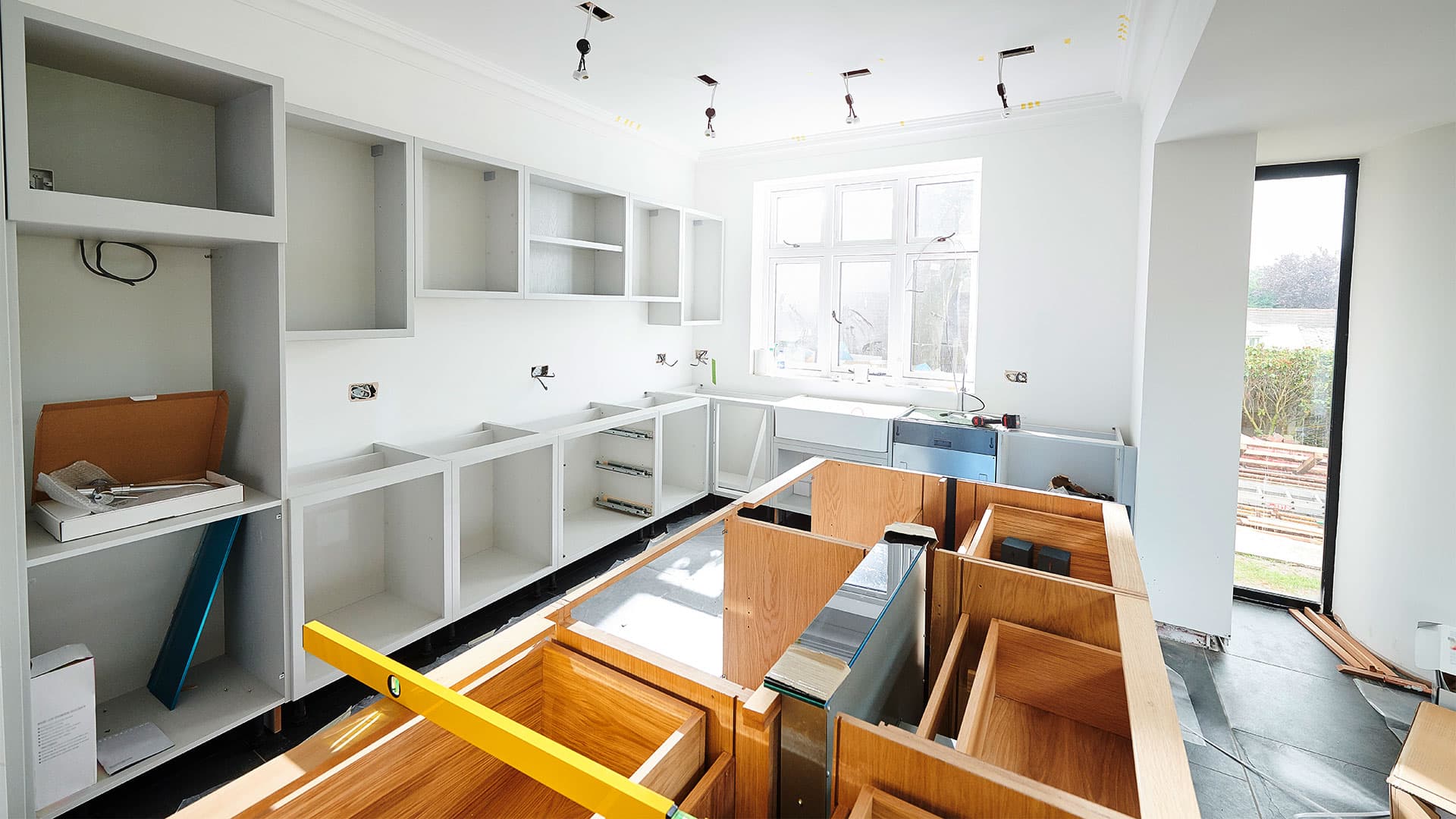
Home improvements are the most common reason for opening a HELOC, as they use your home’s equity to increase its value. Projects like kitchen remodels, bathroom updates, or roof replacements can increase your home’s resale value. Even if you remain in your home, you benefit from the improvements while building equity.
There may be tax advantages, too. HELOC interest may be deductible when used to “buy, build, or improve” the home securing the loan. Consult a tax professional to confirm your project’s eligibility.
Projects that tend to add value include:
- Kitchen and bathroom remodels
- Adding a bedroom or bathroom
- Roof replacement
- Energy-efficient upgrades like new windows or HVAC systems
2. Debt consolidation
If you’re carrying credit card balances at 20% or higher, a HELOC can offer a way out. HELOC rates typically run much lower, so consolidating high-interest debt into a HELOC can save you money and simplify your payments.
For example: If you have $20,000 in credit card debt at 22% interest, transferring the balance to a HELOC at 9% can significantly lower your interest costs. Debt consolidation is effective only if you avoid new charges; otherwise, you risk accumulating both HELOC and new credit card debt.
3. Emergency expenses
A HELOC can serve as a safety net for unexpected expenses, such as major medical bills, urgent home repairs, or temporary income loss. Accessing funds at a relatively low rate is preferable to using high-interest credit cards or withdrawing from retirement accounts. Reserve HELOC use for true emergencies, not for expenses that could have been anticipated or saved for. Treat it as a backup, not a primary option.
4. Education costs
HELOC rates are often lower than private student loan rates, making home equity an option for tuition or education expenses. Some families use a HELOC to cover financial aid gaps. However, this approach carries risk, as your home secures the loan regardless of educational outcomes. A repayment plan is especially important in this case.
5. Real estate investment
Some homeowners use a HELOC for a down payment on an investment property or to renovate a rental unit. If the investment performs well, this can accelerate wealth-building. However, the risk is higher because you are leveraging your primary residence. If the rental is vacant or underperforms, you may face challenges repaying both your mortgage and HELOC.
6. Major life events and large purchases
Weddings, anniversaries, and other milestone events may prompt consideration of a HELOC. However, these uses are less strategic, as they do not increase home value or reduce debt. Using a HELOC for such expenses puts your home at risk without financial benefit.
What you should not use a HELOC for
Not every expense is appropriate for a HELOC. Some uses expose your property to risk without providing benefit.
Compare HELOC rates with multiple lenders. Start hereAvoid using a HELOC for:
- Vacations and travel: The trip ends, but the payments continue for years
- Vehicle purchases: Cars lose value quickly, and auto loans often offer competitive rates anyway
- Electronics and luxury items: That new TV or furniture depreciates the moment you buy it
- Everyday living expenses: Borrowing against your home for groceries or utilities indicates deeper financial issues, which a HELOC cannot resolve.
- Speculative investments: Cryptocurrency, individual stocks, or other volatile bets can lose value fast, leaving you with debt and nothing to show for it
How to use a HELOC to your advantage
Access to a HELOC is only beneficial if used wisely. The following practices can help you maximize benefits and avoid common pitfalls.
Talk to a HELOC lender. Start here- Establish a repayment plan before borrowing. Know how you will repay what you draw, especially when the repayment period begins and payments increase.
- Borrow only what you need. A $50,000 credit line does not require full use; smaller balances result in less interest.
- Monitor interest rates. Variable rates may increase, so budget for potential payment changes.
- Focus on appreciating uses. Prioritize expenses that increase your home’s value or reduce your overall debt.
- Do not treat a HELOC like a credit card. Drawing funds without a clear purpose can lead to overspending.
HELOC vs. other home equity options
A HELOC is not the only way to borrow against your home’s equity. Depending on your needs, a home equity loan or cash-out refinance may be more suitable.
| Feature | HELOC | Home equity loan | Cash-out refinance |
| How you receive funds | Credit line; draw as needed | One-time lump sum | One-time lump sum |
| Interest rate | Typically variable | Typically fixed | Typically fixed |
| Best for | Ongoing or staged expenses | Single expense with known cost | Large expense when rates are favorable |
| Repayment | Interest-only during draw, then principal and interest | Fixed payments from day one | New mortgage replaces old one |
If you know exactly how much you need upfront and want predictable payments, a home equity loan might work better. If current mortgage rates are lower than your existing rate and you want to consolidate everything, a cash-out refinance could make sense. For projects where costs unfold over time, like a phased renovation, a HELOC’s flexibility often proves more practical.
Deciding if a HELOC fits your financial goals
A HELOC is a useful tool when the purpose is clear and a solid repayment plan is in place. Ask yourself: Does this expense build value, reduce costs, or address a genuine need? Do I have a realistic plan to repay it?
If you are considering home improvements that increase your property’s value, consolidating high-interest debt with a disciplined payoff plan, or establishing a safety net for true emergencies, a HELOC may be beneficial.
Conversely, if you are tempted to use a HELOC for discretionary spending or lack a clear repayment plan, the risks likely outweigh the benefits. Your home is at stake, so proceed with caution.
Time to make a move? Let us find the right mortgage for you