Key Takeaways
- Your HELOC limit is based on your home’s appraised value. Even modest improvements can increase how much you can borrow.
- Upgrades to curb appeal, kitchens, bathrooms, and flooring typically yield the best appraisal results.
- Projects completed a few months before applying for a HELOC tend to appraise more favorably, especially when you keep permits and contractor documentation.
Your HELOC credit limit is determined primarily by your home’s appraised value. A higher appraisal increases your borrowing power, while a lower one may reduce it. Making strategic home improvements, documented and completed at the right time, can significantly increase your home’s appraisal value. Our guide outlines which renovations offer the best returns, how to prepare for the appraisal, and steps to take if your valuation is lower than expected.
In this article (Skip to...)
- HELOC appraisal value
- Best value improvements
- Improvements to avoid
- Timing improvements
- Appraisal preparation
- FAQs
How home improvements affect your HELOC appraisal value
To improve your HELOC appraisal value, consider improving your curb appeal, completing minor repairs, and documenting recent upgrades, all 3-6 months before your application. Deep cleaning, decluttering, and modernizing kitchens or bathrooms help ensure the appraiser sees your home at its best.
Check your HELOC eligibility. Start hereYour HELOC borrowing limit is tied to your home’s appraised value. Lenders calculate the combined loan-to-value ratio (CLTV), which is the percentage of your home’s value you can borrow when your primary mortgage and HELOC are totaled. This is typically capped at 80%-90%, minus your remaining mortgage balance.
Example: if your home appraises at $400,000 and you owe $250,000, you have $150,000 in equity. With an 85% CLTV cap, you could access a HELOC of up to $90,000. Even a modest increase in your appraised value can expand your borrowing power.
Compare the our HELOC lender comparison to find the right fit.
Best home improvements to increase HELOC appraisal value
Not every renovation adds dollar-for-dollar value. Appraisers look for improvements that match what buyers in your market expect and what comparable homes have recently sold for. The home improvement projects below tend to deliver the biggest returns.
Take the next steps with a HELOC. Start here1. Curb appeal enhancements
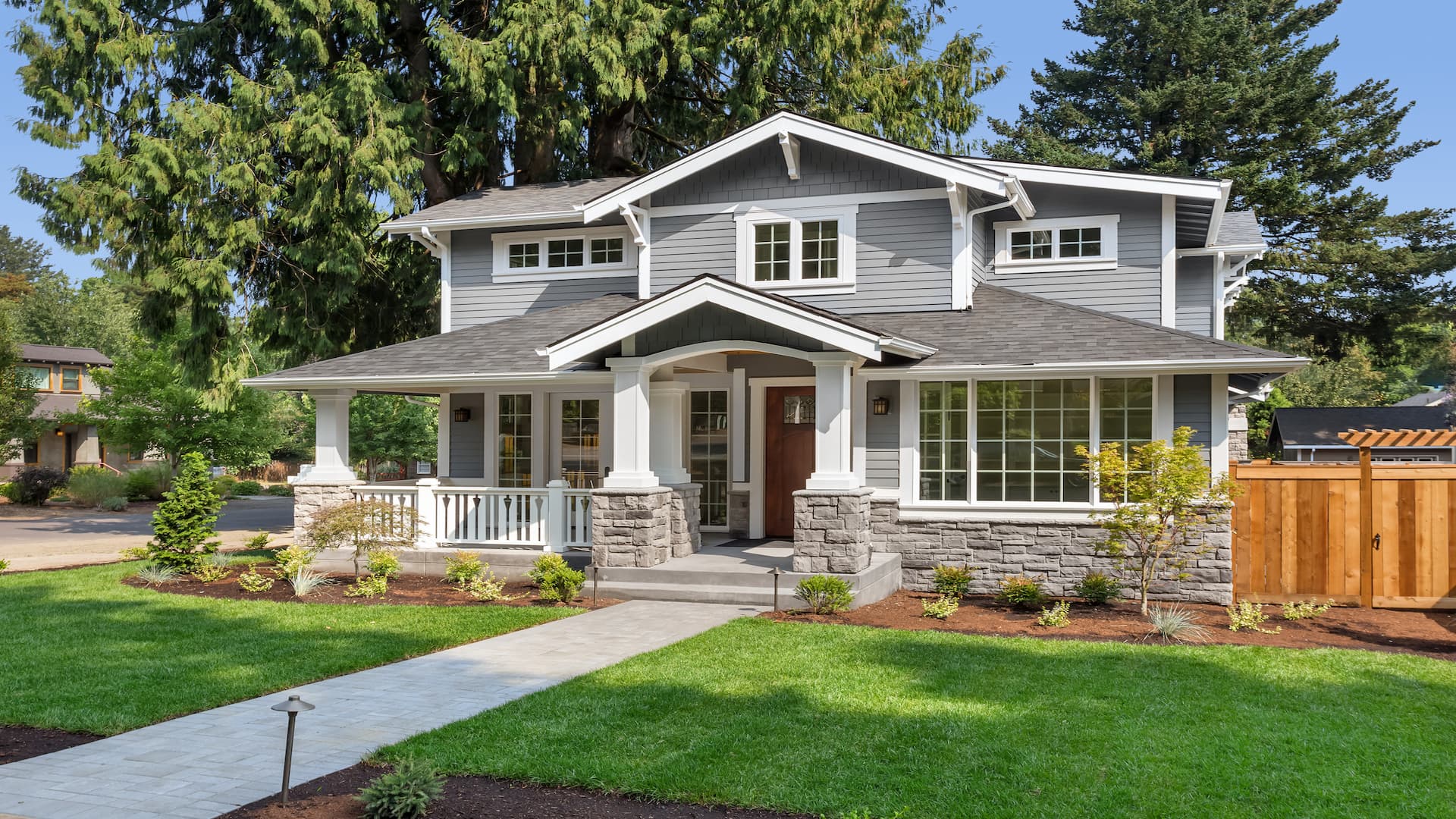
First impressions are important, even to appraisers. Before anyone steps inside, the exterior sets expectations. Fresh landscaping, a power-washed driveway, a new front door, or a coat of exterior paint all signal that the home has been well-maintained. Even low-cost exterior improvements can impact your home appraisal. A tidy yard, trimmed bushes, and clean walkways take minimal effort but create a polished look that your appraiser will appreciate.
2. Kitchen upgrades
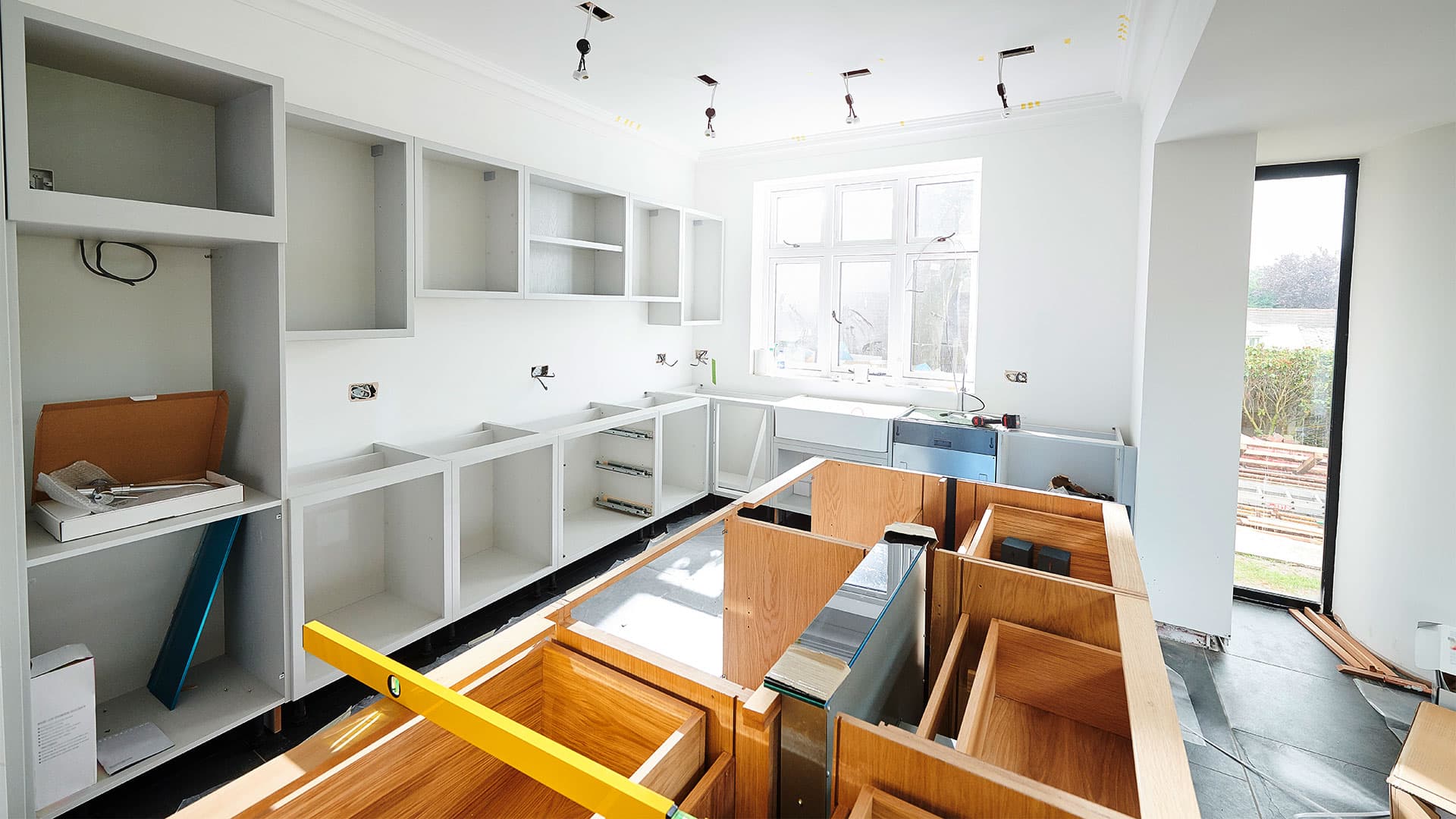
Kitchens consistently rank as the most important room for home value. You don’t need a full gut renovation to see results, though. Minor remodels—cabinet refacing, new countertops, updated appliances, and modern fixtures—often perform well without breaking the bank. Stainless steel appliances, quartz or granite counters, and updated lighting tend to appeal to appraisers and buyers alike.
3. Bathroom renovation
Bathrooms rank second only to kitchens in their impact on appraisal value. An updated vanity, new tile, modern fixtures, and improved lighting can all make a difference. If your home has only one full bathroom, adding a half-bath can significantly increase value, especially in homes with three or more bedrooms, where buyers expect at least 1.5 baths.
4. Flooring upgrades
Outdated carpet or worn flooring can lower an appraisal. Replacing it with consistent, modern materials throughout the home creates a sense of quality and flow. Hardwood floors are highly valued, while luxury vinyl plank (LVP) is also popular for its durability and appearance. Refinishing existing hardwood can also make a noticeable difference.
Check your HELOC eligibility. Start here5. Energy efficiency improvements
Energy-efficient upgrades appeal to appraisers by reducing operating costs and meeting buyer preferences. New windows, added insulation, HVAC upgrades, and smart thermostats are all effective options. Some improvements may qualify for federal tax credits, which can help offset initial costs. The combination of higher appraisal values and lower utility bills makes energy projects especially attractive.
6. Outdoor living spaces
Decks, patios, and outdoor kitchens expand your home’s usable living space. Returns are typically higher in warmer climates where outdoor areas are used year-round. Be sure to obtain proper permits for any addition or structure to ensure it is included in your appraised value. Unpermitted work may be excluded from the appraisal.
7. Adding square footage
Finishing a basement, converting an attic, or adding a room directly increases your home’s livable square footage. Appraisers often use a price-per-square-foot basis, so additional permitted space usually results in a higher value. These projects can be costly and time-consuming. Carefully consider the expense versus the expected value, and always obtain the necessary permits.
Home improvements that will not boost your HELOC appraisal
Some popular projects simply don’t translate into higher appraised values. Knowing what to avoid can save you thousands.
- Swimming pools. Installation often exceeds $50,000, but pools rarely recoup their investment and may deter buyers concerned about maintenance.
- Over-customized renovations. Bold paint colors, highly specific design choices, or niche features may appeal to you, but won’t resonate with the broader market.
- Luxury upgrades in modest neighborhoods. Appraisers rely on comparable sales, so installing $100,000 in upgrades won’t help if nearby homes sell for $250,000.
- Unpermitted work. Additions or renovations without permits may be excluded from the appraisal and could raise concerns with lenders.
When to complete improvements before applying for a HELOC
Timing matters more than you might think. Completing renovations too close to your application date may mean the appraiser lacks comparable sales data for similar upgrades in your area. Aim to complete all improvement projects 3 to 6 months before applying. Waiting allows upgrades to stabilize in value and for recent comparable sales to reflect similar improvements.
For exterior projects such as landscaping or painting, consider seasonal timing as well. An appraiser visiting in early spring may not see a garden at its peak.
How to ensure appraisers recognize your improvements
Appraisers are thorough, but they’re also human, and they may not notice every upgrade unless you point them out. A little preparation goes a long way.
Compare HELOCs with multiple lenders. Start here1. Gather permits and receipts for completed work
Documentation demonstrates that work was completed professionally and meets code requirements. Permitted improvements are valued more highly than unpermitted ones. Keep an organized folder with contractor invoices, material receipts, and copies of all permits. Having everything ready shows the appraiser you’ve invested in quality work.
2. Research comparable sales in your area
Research recent sales of similar homes in your neighborhood, particularly those with upgrades. Price comparisons help set realistic expectations and provide data if your appraisal is lower than anticipated. Online real estate sites offer a starting point, but your real estate agent or lender may provide more detailed sales data.
3. Prepare a list of upgrades for the appraiser
Prepare a one-page summary listing each improvement, completion date, and approximate cost. Provide this to the appraiser at the beginning of the visit. It helps ensure nothing is overlooked and provides the appraiser with context for your improvements.
Tip: Avoid telling the appraiser what value you “need” or attempting to influence the outcome. Appraisers are bound by professional standards requiring independence. Stick to factual information about your home’s features and improvements.
Turn your home improvements into borrowing capacity
If you’ve invested in upgrades that strengthen your home’s value, a HELOC can help you turn that equity into usable funds. The next step is to see how lenders value your property today and how much you may qualify to borrow.
Compare HELOC options, check your eligibility, and move forward with confidence knowing your preparation can translate into real liquidity.
Time to make a move? Let us find the right mortgage for you