Key Takeaways
- Your HELOC credit limit hinges on your current home value, so smart prep can directly translate into more borrowing power.
- Small, low-cost fixes and clear documentation often matter more than major renovations when it comes to appraiser perception.
- Understanding the appraisal process—and your options if the value comes in low—puts you in control and helps you avoid costly surprises.
Over the years, homes become outdated, so it is only natural to want to upgrade your home. A home equity line of credit (HELOC) can be a strategic solution for financing, but first, you must undergo a HELOC appraisal.
This independent evaluation is often the key to securing a line of credit using your existing property value. However, because the amount of your HELOC depends on your current home value, it is critical to know how to prepare your home for a HELOC appraisal.
These tips can help you pass your HELOC appraisal with ease – and without breaking the bank.
In this article (Skip to...)
- Types of HELOC appraisals
- Video: Do I need a home appraisal for a HELOC?
- What appraisers notice during the walkthrough
- Tips to prepare your home for a HELOC appraisal
- Best repairs to help your HELOC appraisal
- What to do when HELOC appraisal comes back low
- The bottom line
What is a HELOC appraisal?
Because your home serves as collateral for a HELOC, your lender must first know its current value before deciding on your HELOC credit limit. This is where a HELOC appraisal comes in.
A home appraisal can be a beneficial tool in many ways. If it finds that your home’s value has grown since purchase, you may qualify for a higher borrowing amount. It also arms you with a professional evaluation of your home in case you decide to sell or rent it in the future.
However, it can also work against you if it is found that your home has depreciated over the years. If your home’s value has decreased considerably, you could receive a smaller loan amount or be denied altogether.
Check your HELOC options. Start hereHELOC appraisal vs. sale appraisal
A HELOC requires a unique type of appraisal that differs significantly from a sale appraisal.
- Faster and cheaper. Because the home is not being assessed for the first time, HELOC appraisals tend to have a faster, more streamlined process than sale appraisals. Therefore, they are often more affordable, too.
- More conservative. HELOC appraisals tend to be more conservative than sale appraisals because the lender wants to ensure that they can recoup their funds should you default on your mortgage.
- Targeted focus. Instead of detailing basic information about the home, the appraiser focuses on the home’s condition, any repairs made since purchase and shifts in the local market, as well as any changes to tax records, zoning, and neighborhood amenities.
A HELOC appraisal may not be required if you are requesting a smaller loan, have great credit or if an appraisal has been done recently enough for the information to be still considered current1.
You may also be able to find a no-appraisal HELOC. Connexus Credit Union, Rate and PenFed Credit Union all offer them.
However, most lenders require a home appraisal before approving you for a HELOC. For example, Rocket Mortgage is one lender that requires a full appraisal for any home equity loan.
Therefore, it is critical that you do everything you can to prepare so you can maximize your home’s value and build further equity.
Types of HELOC appraisals
There are a few types of HELOC appraisals, and knowing which one you’ll have can help you understand what to expect and how to prepare.
Check your HELOC options. Start here- Full home appraisal. As the most common appraisal type, this approach evaluates both the home’s interior and exterior, including a comprehensive assessment of major systems such as electrical, HVAC and water. Your home is also weighed against comparable properties in the area to help ensure a fair valuation.
- Drive-by home appraisal. Also known as an exterior-only appraisal, a drive-by appraisal only inspects the outside of your home, so you do not even need to be home. Interior specs are taken from existing records, such as online listings or property assessments, so while convenient, this type fails to account for any interior upgrades you may have completed since purchase.
- Hybrid home appraisal. This type of appraisal works as a team effort, with one party handling the inspection and another preparing the report in-office. This is a common solution in areas with a shortage of licensed appraisers.
- Automated valuation model. An automated valuation model (AVM) requires no human involvement at all, instead using online home value estimators to pull existing data to compare against nearby properties. This is particularly popular with online lenders; for example, Figure offers AVM appraisals, skipping the in-person appraisals.
Knowing the type of appraisal you are having will give you a better idea of how exactly to prepare.
Video: Do I need a home appraisal for a HELOC?
What appraisers notice first during the walkthrough
Regardless of how they are conducted, HELOC appraisals center around a few key areas of your home. These are the areas an appraiser investigates first.
Check your HELOC options. Start here- Size. One of the first factors an appraiser considers is the home’s size. This includes the total square footage, including the number of bedrooms and bathrooms, type of layout and home style (open vs. closed floor plan, for instance) and any additional usable space, such as a finished basement, attic or addition.
- Construction. This applies to the age of your home. HELOC appraisers also assess the quality of materials used to build, maintain and upgrade it, looking for signs of inferior construction or shoddy workmanship.
- Maintenance. In addition to assessing the overall condition of the property, appraisers consider the major systems in your home to ensure they are functioning correctly and not significantly outdated. This includes your electrical, HVAC and plumbing systems.
- Location. The appraiser will consider external details such as the quality of community features, school districts and neighborhood crime rates. Also relevant is a home’s physical location, including the level of privacy, any views and whether it is on a quiet cul-de-sac versus a busy road.
- Comparable sales. Also known as comps, this is an essential factor when determining value. Appraisers review recent sales of similar homes in the area, comparing aspects such as size, condition and features to ensure your property is fairly valued.
With this in mind, it is time to prepare.
Getting ready for a HELOC appraisal?
We made a quick, no-stress Appraisal Day Checklist to help you prep with confidence.
Tips to prepare your home for a HELOC appraisal
These are 10 prep tips and quick fixes you can make around the home to get your house appraisal-ready.
Check your HELOC options. Start here1. Prepare your documents
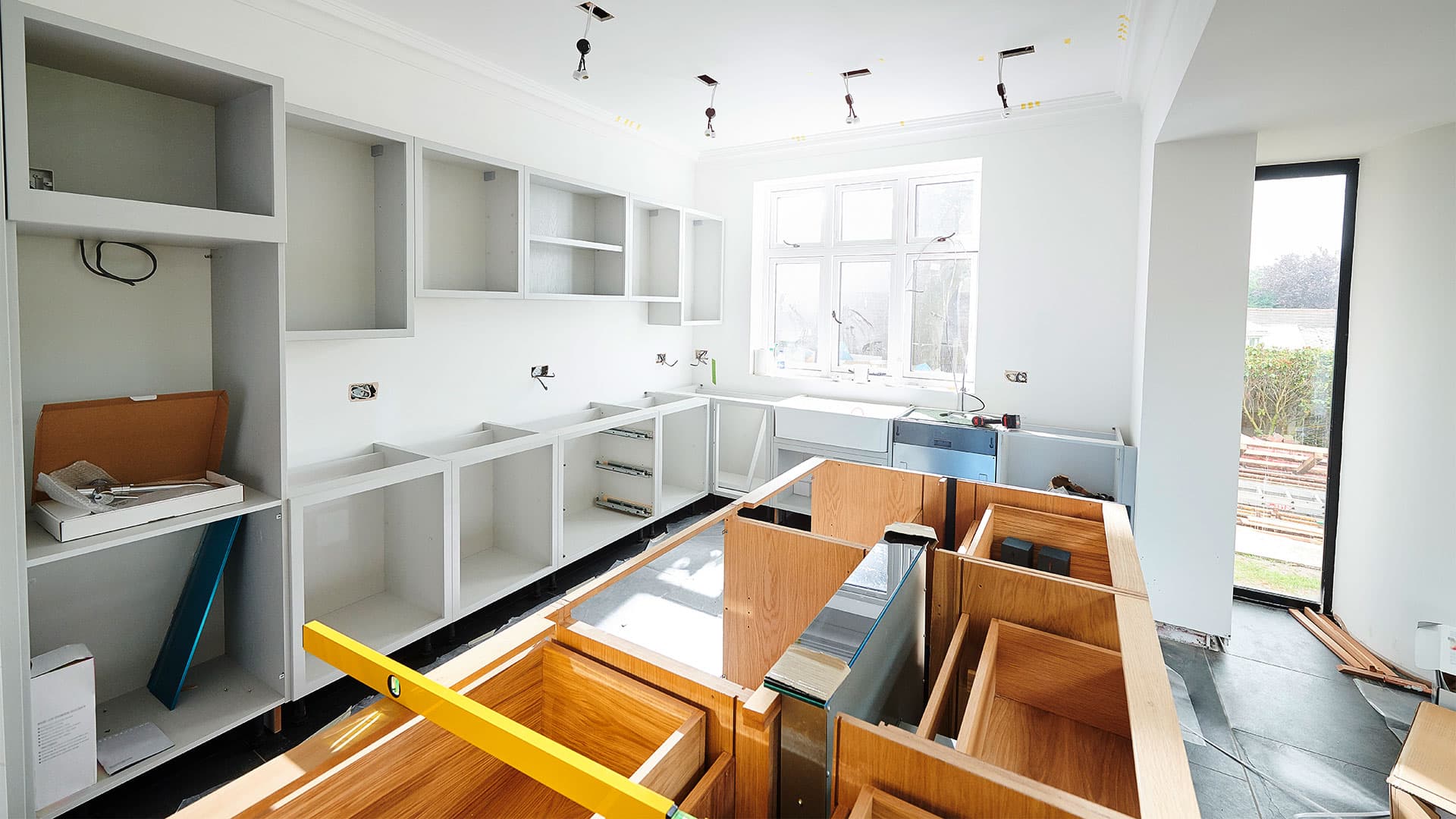
Home improvements, renovations and upgrades can all help increase your home’s value, as well as your line of credit with your lender. Therefore, it is critical to report these events to your HELOC appraiser. This may include a roof replacement, updated flooring, energy-efficient windows, a kitchen remodel or the replacement of major systems, such as your HVAC system.
Document these events in a single list and gather all supporting documentation, including work statements, paid invoices and any certifications. Be sure to offer them to your appraiser upon arrival.
2. Prioritize curb appeal
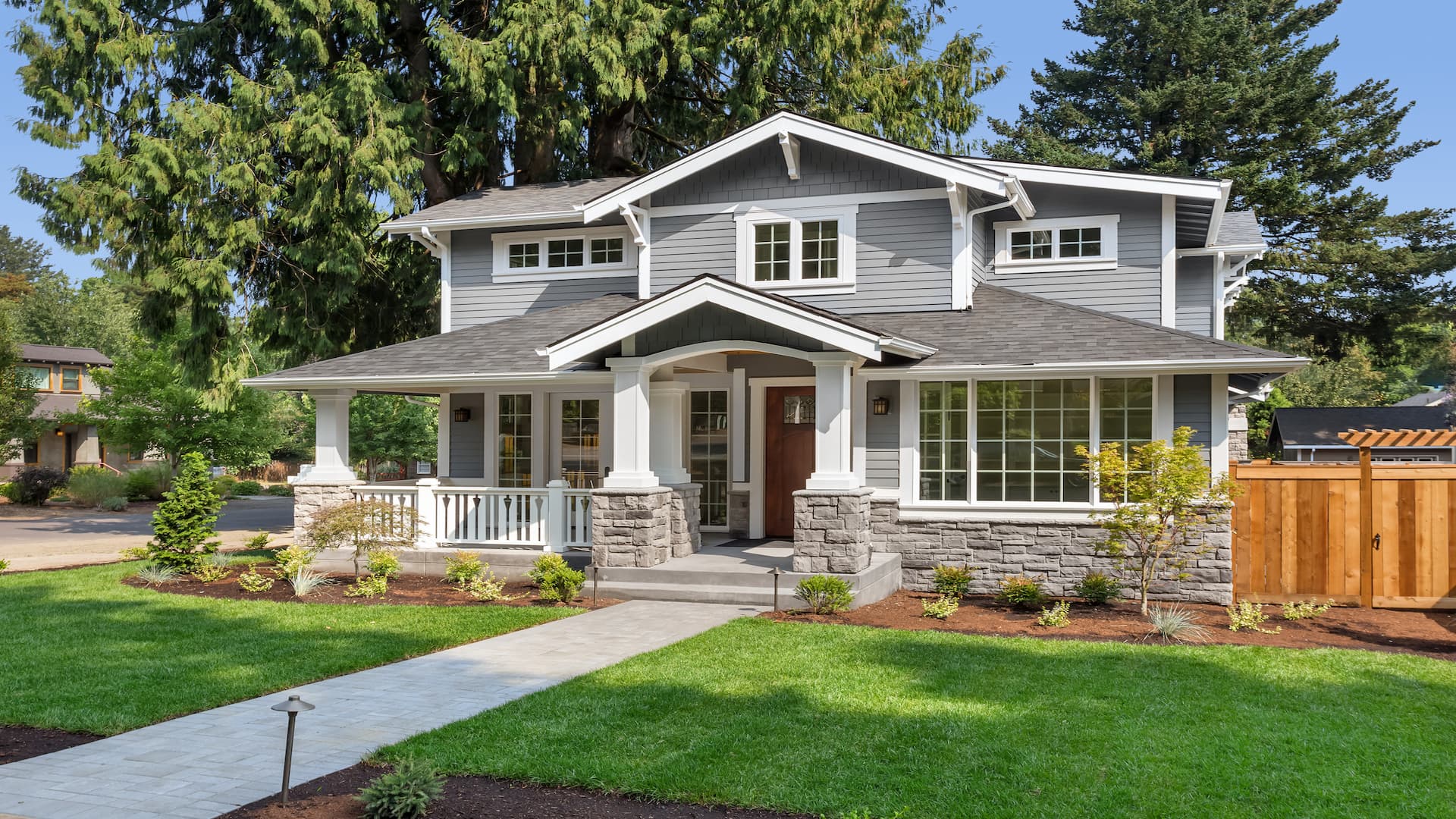
The exterior of your home is the first thing your appraiser is going to notice. That makes curb appeal critical, as this is your appraiser’s first impression of the home.
Whether you hire someone or go the DIY route, put some care into your landscaping. Things like a freshly painted front door, a groomed yard, well-maintained hedges and fresh flowers can all make a home appear more inviting, potentially increasing your home’s value.
3. Declutter
Because this is not a sale appraisal, your home does not need to be show-ready. However, it is important to ensure the appraiser can move around easily and access the main systems and upgrades. This includes notorious storage areas like your attic, garage and basement.
Take the time to declutter your home by clearing counters, putting away children’s and pets’ toys and ensuring no doorways or cabinets are blocked.
4. Deep clean
A deep clean can go a long way in prepping your home for a HELOC appraisal. Your house does not need to be spotless, but it should be clean enough that no odors, mold or grime will prevent the appraiser from properly assessing the space. A dirty home suggests potential neglect and may signal deeper maintenance or repair issues to the appraiser, potentially affecting your home’s overall value.
When cleaning, pay special attention to high-traffic areas, such as your kitchen, floors and bathrooms. Also, take the time to clean your windows and carpets, and check your walls and ceilings for any necessary spot cleaning.
If you don’t have time, and your budget allows, consider hiring a professional cleaning service to help.
5. Make cosmetic repairs
Over time, your home may require some cosmetic repairs. These are often minor and inexpensive, but they can still affect how an appraiser rates the overall maintenance and upkeep of your home.
Look for common issues like loose handles, chipping paint, carpet stains, cracked outlet covers, a broken doorbell and holes in the drywall. A local handyperson can help if you don’t feel comfortable making the repairs yourself, but take the time to vet them thoroughly to ensure both your safety and their legitimacy.
6. Check lighting
It is critical that your appraiser is able to safely navigate your home, and that requires proper lighting.
Be sure to check the lighting in all rooms and replace any burned-out bulbs. Also, ensure all fixtures function properly and require no repairs.
7. Address plumbing issues
Leaky faucets and clogged drains are everyday problems in the average household.
However, even minor issues like these can deduct your total property value by several hundred dollars each, according to lender Unlock. It is well worth the time and energy to address these issues quickly rather than have it detract from your home’s value during the appraisal.
8. Confirm safety features
Your appraiser will also assess your home’s security, ensuring all safety features are in proper working order.
Ensure the working order of all smoke alarms, carbon monoxide (CO) alarms and fire extinguishers. Also, check any home security systems and any additional safety equipment.
9. Minimize distractions
Put away any pets, as playful, aggressive or noisy pets can all be distracting to your appraiser. Once they are safely secured, don’t forget to tackle any lingering pet odor, stains or hair.
It is also a good idea to ask someone to help with the children so you can be available should the appraiser need you. Appraisals usually take 30 to 60 minutes, so you will not be away long.
10. Stay available
It is important to remain present and available in case your appraiser needs you. There may be questions or issues accessing certain areas or systems. You will also need to le give your appraiser all of your documentation.
However, avoid hovering; your appraiser needs to work freely to ensure a speedy, painless process.
Best home repairs to help your HELOC appraisal
Some repairs and renovations may be more profitable than others. You typically do not recoup the entire cost of the renovation or repair, but it can still make a noteworthy difference.
Check your HELOC options. Start hereThese are some of the best home improvement repairs for your home to help your HELOC appraisal.
2025 Average Renovation Costs
| Project | Type of Project | Average Cost | Resale Value | Average Recouped |
| Garage door | Replacement | $4,672 | $12,507 | 268% |
| Entry door (steel) | Replacement | $2,435 | $5,270 | 216% |
| Siding (manufactured stone veneer) | Replacement | $11,702 | $24,328 | 208% |
| Siding (fiber-cement) | Replacement | $21,485 | $24,420 | 114% |
| Kitchen remodel (mid-range) | Minor remodel | $28,458 | $32,141 | 113% |
| Backup power generator | New | $13,534 | $12,902 | 95% |
| Deck (wood) | Addition | $17,615 | $14,596 | 82.9% |
| Deck (composite) | Addition | $25,096 | $22,199 | 89% |
| Entry door (fiberglass) | Replacement | $11,754 | $9,959 | 85% |
| Bath (mid-range) | Remodel | $25,251 | $18,613 | 73.7% |
Source: 2025 Cost vs. Value Report, The Journal of Light Construction.
Repairs and updates to avoid
Some home improvements may not be worth the return on your investment. The last thing you want is to spend an enormous amount on a repair or update, only to find out that it was a needless investment that does not improve your home’s value.
These are some of the updates and renovations that are not likely to add home value in every market2.
- Swimming pools
- Luxury materials and upgrades
- High-end landscaping (think water features)
While enjoyable, they are unlikely to add value to your HELOC appraisal.
What to do when your HELOC appraisal comes back low
When you receive the report, you may be surprised by the total assessment. If you are given a low appraisal, review the report carefully to ensure you understand the appraiser’s reasoning.
Time to make a move? Let us find the right mortgage for youIf you disagree, you have a few options.
- Speak directly with your lender to discuss the appraisal and share your perspective.
- Request a reconsideration of value (ROV) if there are errors or missing information in the report. You have the right to appeal the appraisal, but only if you have legitimate grounds to do so.
- Use a lender with AVM appraisals instead of a full home appraisal.
- Shop for a HELOC with another lender. Consider getting a HELOC from one of the best lenders, such as AmeriSave, Upstart or Mission Loans.
- Opt for a smaller line of credit with your existing lender.
- Consider alternative funding options, such as a personal loan, a low-interest credit card or borrowing from trusted family or friends.
How to file a complaint
If you feel you are the victim of discrimination, you have rights under the U.S. Fair Housing Act.
There are several ways to file an official report.
Resource Guide for HELOC Appraisal Complaints
| How to File | |
| Consumer Financial Protection Bureau (CFPB) | Online form Phone: (855) 411-2372 TTY/TDD: (855) 729-2372 |
| Office of Fair Housing and Equal Opportunity, Housing and Urban Development (HUD) | Online form Phone: 1-800-669-9777 Mail: Print and send to the regional office In-person: Local housing fairs |
| Federal Deposit Insurance Corporation (FDIC) Information and Support Center | Online form Phone: 1-877-ASK-FDIC (877-275-3342) Mail: Consumer Response Unit National Center for Consumer and Depositor Assistance (NCDA) 1100 Walnut Street, Box #11 Kansas City, MO 64106 |
The bottom line
A HELOC appraisal doesn’t have to be complicated or costly. A little prep, a few low-cost fixes and solid documentation can go a long way toward protecting your home’s value—and your borrowing power.
Focus on what matters, understand your options if the value comes in low and stay engaged in the process. With the right approach, you can move forward with confidence and make the most of your home equity.